Content strategy sits at the intersection of user research, information architecture, and the words that guide people through a product. The work here covers how content is organized, labeled, and evaluated, from analyzing how platforms like Zillow structure search and metadata to applying usability frameworks that measure content quality and accessibility. Grounded in human-centered design principles, these projects reflect a consistent focus on how thoughtful content decisions shape the user experience.

Information Architecture: WCAG and Content

Organizing: The purpose of organizing content is multifaceted, and it serves two primary goals: enabling people to find the right…

Affordances: Traffic Light, Fire Doors, Gas Pumps
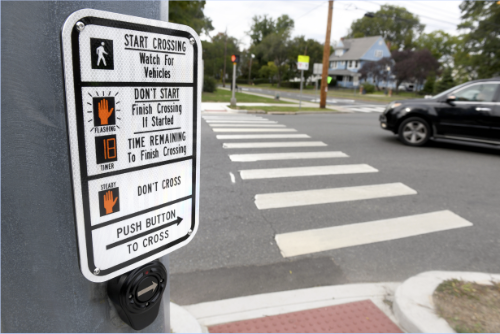
Traffic Light & Pedestrian Signal The affordances that stand out to me are its pushability and its visibility. It has…

WCAG & Content: Organizing, Labeling, Navigating, Searching
Organizing: The purpose of organizing content is multifaceted, and it serves two primary goals: enabling people to find the right…

Search and Metadata: Zillow
In this look at Zillow.com, I investigate the search and metadata functionalities of this well known real estate website. This…

C.a.r.m.e.l Heuristics of Zillow
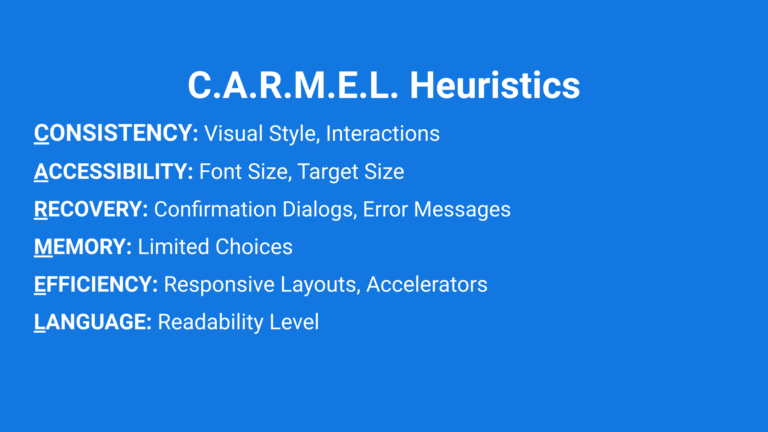
Kaniasty’s CARMEL Guidelines The CARMEL guidelines are inspired by Nielsen’s usability heuristics, but incorporate knowledge and standards that have emerged…

Barriers to Accessability
ELEVATOR PANEL The accessibility concerns surrounding the elevator button panel are numerous. The button layout deviates from the standard, typically,…

Human Factors Critique: Accessability
Airport Bathroom A bathroom typically serves as a private space for individual personal hygiene and sanitation, it provides all of…

The Gestalt of Zillow
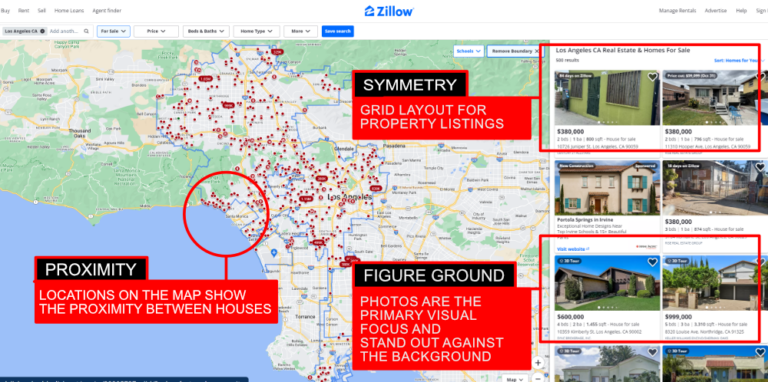
Here is a little research I did about Gestalt Principles being used in the design of Zillow’s website. Turns out…